
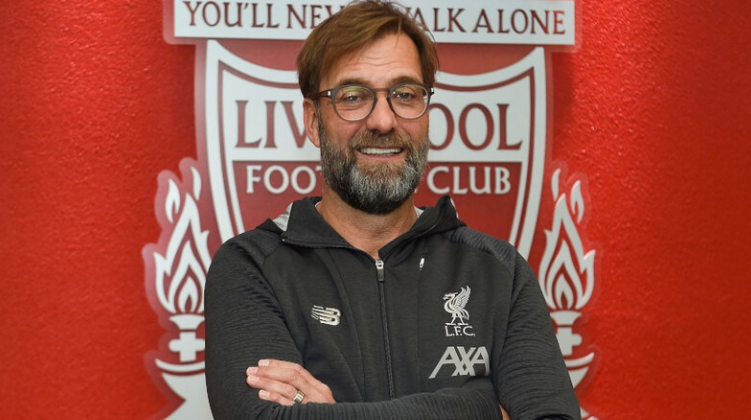
Whose Gegenpressing is it is a question that many football fans are interested in when learning about some of the most notable tactics in modern football. If you regularly follow top-level matches, you have probably heard of the term Gegenpressing, especially when discussing teams that play with intense pressing and transition at high speed.
When it comes to Gegenpressing, the name that first comes to mind for many people is Jurgen Klopp. The German coach took this philosophy to a new level and turned it into his tactical trademark during his time managing Borussia Dortmund and Liverpool.
However, saying that Gegenpressing was completely invented by Jurgen Klopp would not be entirely accurate. It is a philosophy with deep roots in the history of German football tactics and has been developed through several generations of coaches.
So, whose Gegenpressing is it? Was Jurgen Klopp the creator of this tactical approach? How does it work, and why has it become so famous? Let’s explore it with Xoilac in the article below!
What Is Gegenpressing?
Before exploring whose Gegenpressing is it, we need to understand exactly what the term means.
Gegenpressing is a German word that can be simply understood as counter-pressing, or applying pressure immediately after losing possession.
Instead of immediately dropping back into their own half after losing the ball, players actively put pressure on the opposition in an attempt to regain possession as quickly as possible.
The objective is not only to win the ball back but also to take advantage of the moment when the opponent has just gained possession and has not yet organized their attack.
This is the key difference between Gegenpressing and traditional defensive approaches.
Whose Gegenpressing Is It?
If you ask whose Gegenpressing is it, the most common answer is certainly Jurgen Klopp.
However, Klopp did not invent the entire concept.
The philosophy of applying pressure immediately after losing possession had already emerged in German football. One of the coaches who had a major influence on the development of this idea was Ralf Rangnick.
In addition, coaches such as Wolfgang Frank also had a significant influence on Jurgen Klopp’s tactical thinking during the period when he was still a player and beginning his coaching career.
Klopp subsequently absorbed, developed, and incorporated these ideas into his own tactical system. He transformed Gegenpressing into a distinctive playing style that became famous around the world.
Therefore, it can be said that Gegenpressing was not entirely invented by Jurgen Klopp, but he was certainly one of the coaches who played the biggest role in popularizing and elevating this philosophy.
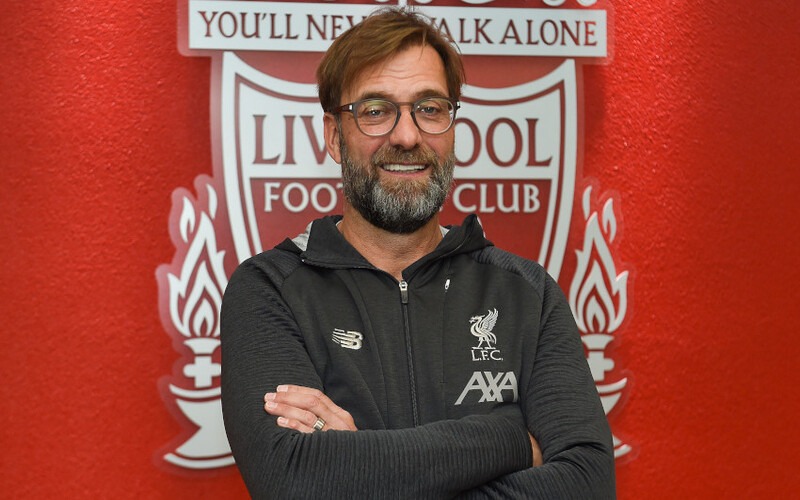
Klopp played a major role in popularizing and developing Gegenpressing
Jurgen Klopp and the Development of Gegenpressing
Xoilac TV will explain how Klopp developed this tactical approach. Jurgen Klopp first attracted significant attention with Gegenpressing during his time managing Borussia Dortmund.
At that time, the German club had a young, energetic squad capable of moving at a very high intensity.
Klopp built Dortmund into a team capable of applying aggressive pressing. Immediately after losing possession, the entire team would swarm around the ball in an attempt to regain control.
This tactic helped Dortmund create numerous chances from situations in which opponents made mistakes.
After moving to Liverpool, Klopp continued to develop this philosophy while making adjustments to suit English football.
Liverpool under Klopp became one of the most notable teams in Europe in terms of pressing and transitions.
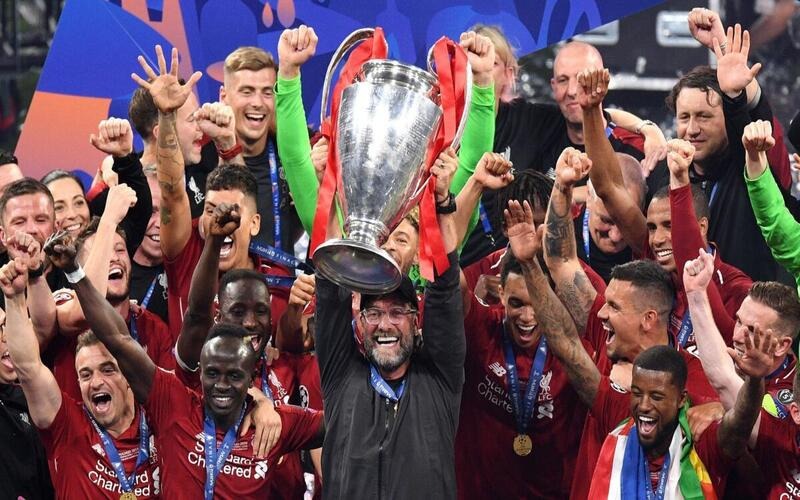
Liverpool used Gegenpressing in a flexible manner
How Does Gegenpressing Work?
To better understand what Gegenpressing is, you can imagine a very simple situation.
Liverpool are in possession and building an attack. A player makes an inaccurate pass, causing the team to lose possession.
Under a conventional defensive approach, the players might immediately drop back.
With Gegenpressing, however, the players closest to the ball quickly close down the opponent who has just received it.
The other players simultaneously reduce the available space and block passing lanes.
If executed successfully, the team can regain possession within just a few seconds and continue attacking before the opponent has had time to reorganize their formation. Watching highlight bóng đá mới nhất will help viewers see how this tactic works in practice.
Key Elements of Gegenpressing
Gegenpressing is not simply about running a lot and closing down opponents. It is a system that requires players to understand each other and move in coordination.
Xoilac 86 highlights several important elements:
- Reacting extremely quickly after losing possession.
- The players closest to the ball immediately applying intense pressure.
- Maintaining a compact team shape and reducing the gaps between the lines.
- Closing down the opposition’s most favorable passing options.
- Maintaining a high level of physical intensity.
- Coordinating pressing in groups rather than chasing the ball in an unorganized manner.
Throughout the entire system, the most crucial factor is the timing of the press and the moment to close down.
If the press is too slow, the opponent may already have moved the ball away from the dangerous area and begun building an attack.
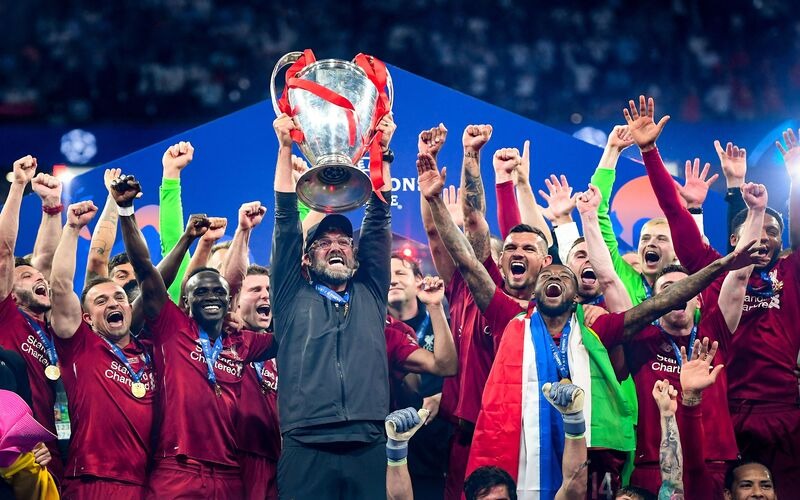
The key elements required to execute Gegenpressing
Why Is Gegenpressing Effective?
One of the reasons Gegenpressing is so effective is that it takes advantage of the moment when the opposition is most vulnerable to making a mistake.
Immediately after winning the ball, a team usually does not yet have a fully organized attacking structure. Some players may be in unfavorable positions, while others have not yet had time to provide support.
If they are put under pressure at that exact moment, the player in possession is much more likely to make an inaccurate pass or lose the ball.
The team using Gegenpressing can exploit this opportunity to regain possession high up the pitch and create a dangerous attacking situation. Watching Xoilac trực tiếp bóng đá will allow you to see how players execute this tactical approach.
In other words, Gegenpressing turns losing possession into an opportunity to attack.
Conclusion
If you ask whose Gegenpressing is it, Jurgen Klopp is the most famous name associated with this philosophy. However, he did not invent the entire concept of Gegenpressing. Instead, he adopted tactical ideas rooted in German football and developed them into his own distinctive style.
Gegenpressing focuses on applying pressure immediately after losing possession in order to quickly regain control and exploit the moment when the opposition has not yet reorganized its formation.